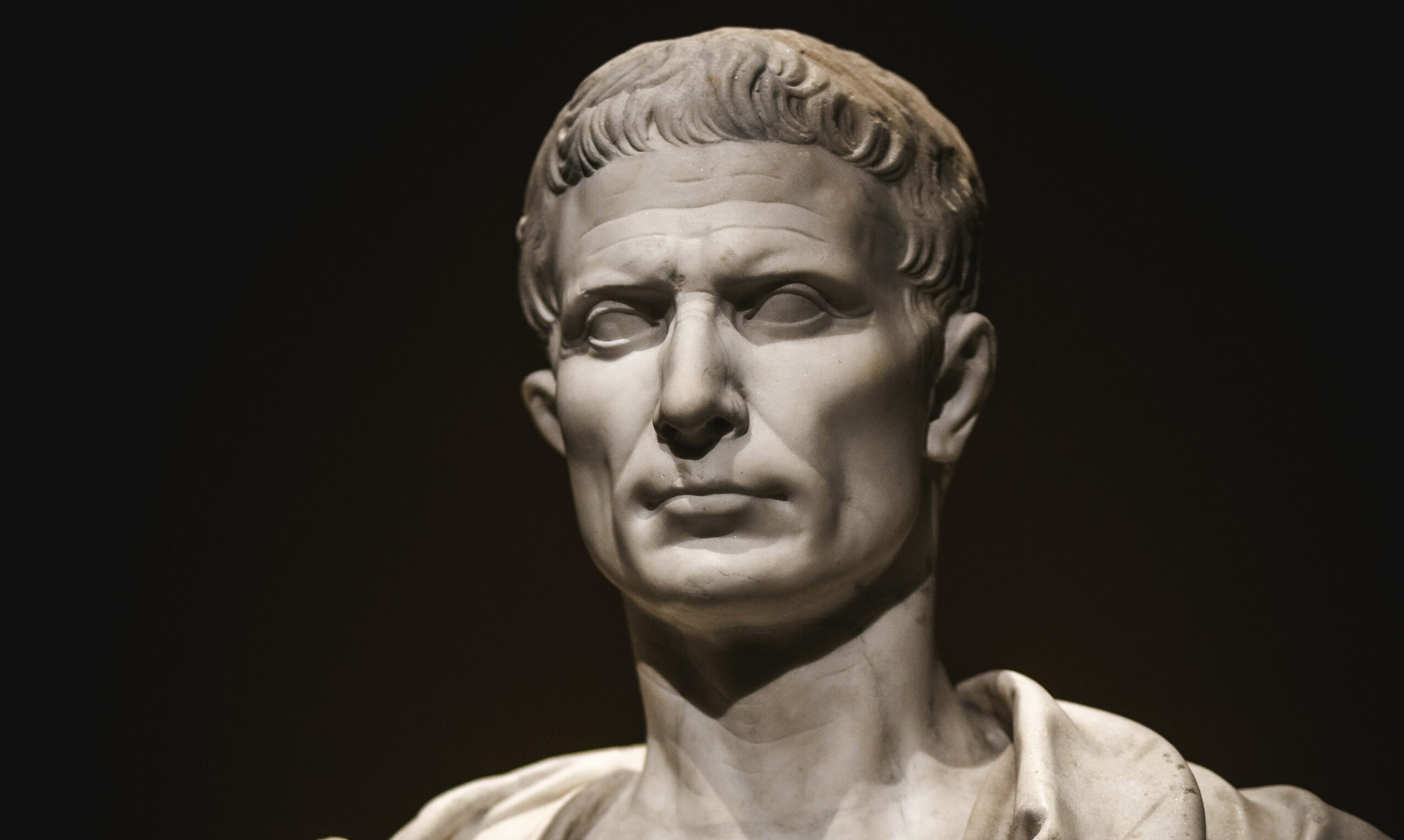

“He robs present ills of their power, who has perceived their coming beforehand,” said the philosopher Seneca in his letter to a friend named Marcia. At that time Marcia was mourning the loss of a family member. Seneca, having lost friends and relatives, understood her pain. He also understood through his philosophical learnings that misfortune and adversity are just a part of life. We can do little to avoid them. Our only recourse is to prepare in advance to reduce their impacts since “It is the unexpected blow that crushes us the most severely.” Now, this raises an intriguing question: how do these ancient insights connect to modern business continuity and risk management practices?” In the following lines, I will attempt to explain how the techniques used by philosophers of the past to build emotional resilience are the same techniques used today by business continuity practitioners to build organizational resilience.
Premeditatio Malorum – The power of anticipation
“The wise man… prepares himself for all events and is never surprised by anything that happens.” _Cicero
The philosophers of the past never fail to remind us that true wisdom starts by anticipating misfortune. It is imperative that we have a clear picture of things that might go wrong ahead of time. This allows us to mitigate their impacts and stand a chance to survive when they do arrive. It is perhaps with this understanding that early risk and business continuity practitioners came up with the notion of risk assessment. ISO 31000 provides a modern framework to do what some Romans were doing more than 2000 years ago. Namely, to identify, analyze and evaluate risks so they can be effectively mitigated. As King Solomon would say, there is indeed nothing new under the sun.
Virtus sola est bona – The power of prioritization
“Virtue alone is good.” _Seneca
There is a famous story about a man in Greece called Stilpo of Megara. One day, his town was sacked, and he lost nearly everything. When the conqueror asked him mockingly if he had lost anything, he replied: “No, I have all my valuables with me.” For Stilpo, character and virtue were the only things important. He understood what truly mattered and how to prioritize it during times of crisis. Similarly, learning how and what to prioritize in times of crisis is perhaps the most important task of the business continuity practitioner. ISO22301 provides a modern framework to accomplish such a task. It is called the Business Impact Analysis (BIA). Through the BIA, the business continuity practitioner identifies the processes and resources that are most important to the organization. This enables her to identify the key priorities when a crisis strikes. How wise indeed was the man who said, “If you need a new idea, read an old book.”
Praepara te ad adversa – The power of preparation
“It is not what happens to you, but how you react to it that matters.” _Epictetus
The stoic teachings never fail to underscore the power of careful preparation and prudent decision making in the face of adversity. “No man was ever wise by chance,” said Seneca. They champion the idea that reason, not impulse, should guide our actions and reactions. Early business continuity practitioners must have been animated by the spirit of the Roman philosophers when they developed the Business Continuity Plan (BCP). As presented in the ISO22301, the BCP provides a blueprint for an organization’s response to operational challenges and disruptions. Following the stoic ideal, business continuity practitioners use this document to eliminate guesswork and impulsive decisions during times of uncertainty.
Exercitatio Animi – The power of simulation
“Just as we exercise the body by labor, so we should exercise the soul by trials.” _ Musonius Rufus
Despite his immense wealth, Seneca would periodically embrace poverty, living as if destitute to strengthen his resilience to adversity. In one of his letters to his friend Lucilius he wrote: “If you want a man to keep his head when the crisis comes, you must give him some training before it comes.” In the same letter he also explains that “it is in times of security that the spirit should be preparing itself to deal with difficult times.” Risk and business continuity officers have come to understand the power of crisis simulation. Each year, they conduct a range of exercises from straightforward tabletop scenarios to full-scale data center disaster recovery tests. In certain jurisdictions, financial regulators mandate such simulations with the threat of severe financial penalties. This underscores the importance of simulating difficult times to build resilience.
In Fine
In this article I have attempted to show the parallels between the teachings of the ancient Greek and Roman philosophers and the practices of modern-day business continuity and risk practitioners. While ancient philosophy focuses on emotional resilience and business continuity on organizational resilience, both disciplines rely on remarkably similar techniques to achieve their goals. Both disciplines use the power of anticipation to identify and analyze potential risks and misfortunes. Both use the power of prioritization to identify what is truly important in life or in the organization. Both use the power of preparation to exercise prudent decision making in the face of crisis and adversity. Both use the power of simulation to stress test their resilience strategies. Ultimately, the human experience has changed little over two millennia. The more things change, the more they stay the same. By revisiting ancient wisdom, today’s organizations can build resilience not just in systems, but in spirit.